
确定状态与体积口径
记录压坯或烧结状态、材料组成、热处理和取样方向。区分外形体积、骨架体积、开放孔隙与闭合孔隙,并说明理论密度依据;不同口径的密度不能直接混用。
Connect powder features, sintered structure and bulk density. Define volume and pore types, then cross-check section images and independent density without forcing agreement.
Translation pending review.
烧结钢、铜基材料、硬质材料及明确组成的粉末冶金件。
Translation pending review.
沿压制方向取样、支撑、保孔磨抛和未腐蚀观察。
Translation pending review.
孔隙形貌/面积分数、质量和明确体积定义下的密度。
Translation pending review.
粉末冶金:体密度与相对致密度:模型与量纲
Translation pending review.
ρbulk=m/V;相对致密度=ρbulk/ρth×100%
m=7.5 g;V=1 cm³;ρth=7.8 g/cm³
Translation pending review.
未规定任何实际材料验收阈值。吸液、封闭孔、第二相组成、氧化及体积测量方式都会影响解释;绿色压坯还需避免制样破坏。
Translation pending review.
假设输入演算:7.50/1.00 = 7.5 g/cm³;7.50/7.80×100 = 96.153846 %;(1−7.50/7.80)×100 = 3.846154 %。相对致密度约96.154%。其补数3.846%只在密度参考正确、组成均匀、体积定义合适且差异主要来自孔隙等假设下才有对应解释,不能无条件称真实总孔隙率。
Translation pending review.
盖孔、拔出、视场选择
Translation pending review.
开放孔吸液和体积口径
Translation pending review.
理论密度与真实组成不一致
Translation pending review.
粉末与烧结批次/方向
Translation pending review.
分割叠加图、有效面积及体积定义
Translation pending review.
两类方法的差异解释
Translation pending review.
相对致密度的补数不总等于真实总孔隙率。
Translation pending review.
多个颗粒或视场不是多个独立烧结试样。
记录压坯或烧结状态、材料组成、热处理和取样方向。区分外形体积、骨架体积、开放孔隙与闭合孔隙,并说明理论密度依据;不同口径的密度不能直接混用。
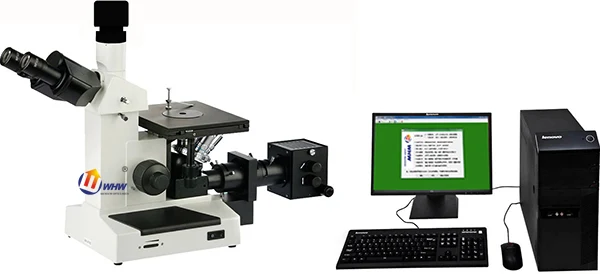
沿压制方向和横向安排截面,以观察可能的密度分布。脆弱压坯需要支持与轻柔处理,切割前保存表面状态和缺陷位置,避免让制样破坏替代原始孔隙。
逐级去除变形,检查软金属被推入孔口形成盖层,以及硬相拔出形成的假孔。适度继续抛光和邻近区域对照用于验证暴露状态,不能机械认为抛得越久越真实。
显微分析采用预定视场、校准尺度和固定孔隙规则,保留掩膜。密度测量独立记录质量、体积、干燥/浸液状态及温度;有吸液时需考虑测量程序对结果的影响。
比较孔隙形貌、二维面积分数和相对致密度,解释理论密度、组成和体视学假设。出现差异先追查定义与方法偏差,不用修改阈值让图像百分数恰好等于密度法补数。
教学案例见本页关联计算:粉末冶金:体密度与相对致密度。案例的载荷、尺寸和读数全部为假设,用于逐步演算及误差分析,不代表某客户、论文实测或本公司产品性能。
Explore the original technical specifications, related methods and confi
Explore the original technical specifications, related methods and confi
Explore the original technical specifications, related methods and confi
Explore the original technical specifications, related methods and confi
Explore the original technical specifications, related methods and confi
Explore the original technical specifications, related methods and confi
Links support navigation and do not establish a model’s performance or standards compliance.
Tell us about your material, specimen and measurement goal.